Published on:
Design Beyond Aesthetics: Tim Kobe, Apple, and Xiaomi in a Changing Retail Era
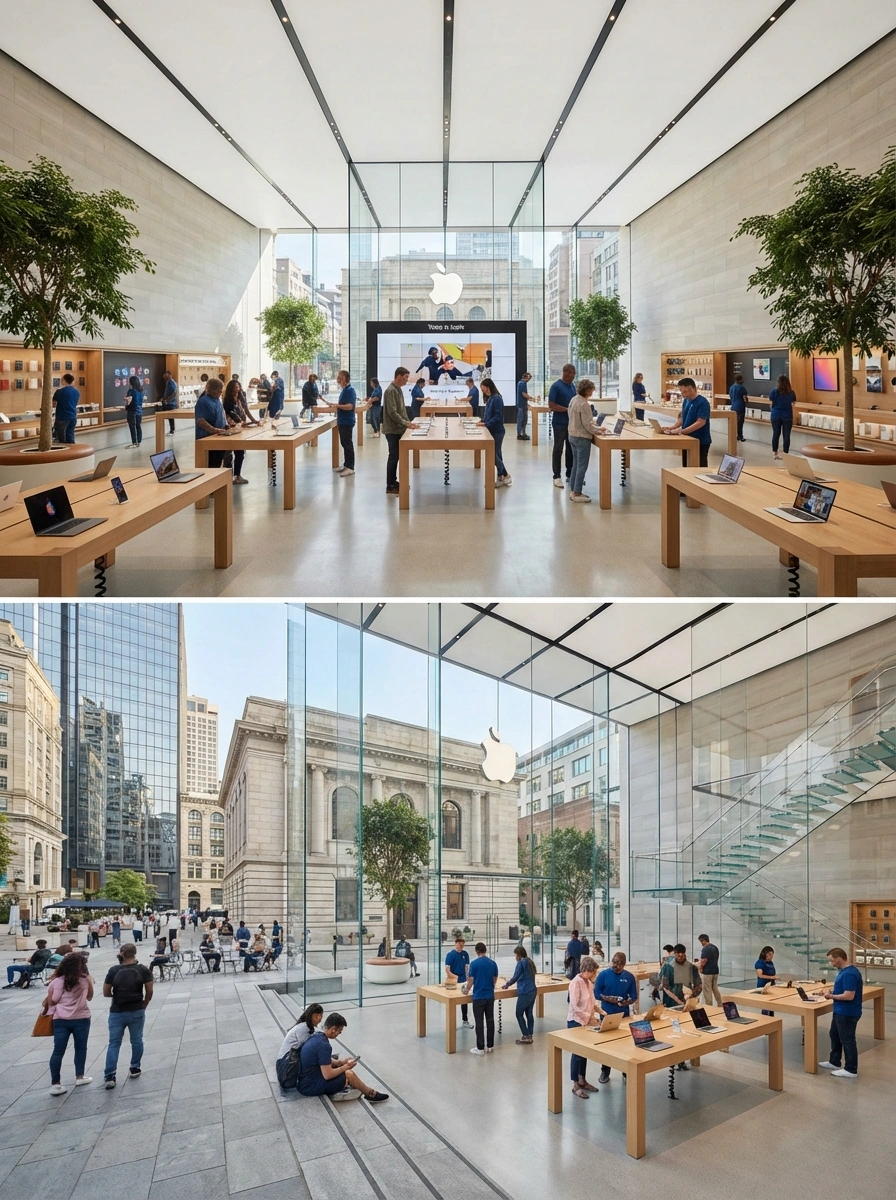
For decades, analysts have offered countless explanations for Apple’s success. Yet among all those factors, one stood largely unchallenged: retail. Before Apple rewrote the rules, few believed an electronics brand could operate stores in prime city centres—let alone generate sales per square metre that rivalled or exceeded the world’s most prestigious luxury jewellers. Apple Stores did more than sell products; they redefined high-end retail and became a powerful extension of the brand itself.
While Steve Jobs is often credited for this transformation, another figure played a decisive but frequently overlooked role. That person is Tim Kobe, founder of Eight Inc.. Kobe worked closely with Jobs for 12 years, shaping not only Apple’s retail strategy but also the philosophy behind how technology meets people.
In November 2017, Kobe arrived in Shenzhen—not for a new Apple Store launch, but for the opening of Xiaomi’s first global retail flagship. The moment sparked curiosity across the design and technology worlds. Why China? Why Xiaomi? And what connects these two companies—often compared, yet fundamentally different?
Design as a Business Imperative
In conversation, Kobe argues that design today carries more weight than at almost any other point in history. Rapid technological change, new products, and evolving modes of interaction have placed immense pressure on businesses to stay relevant. Design, in his view, is the discipline that translates innovation into meaning.
Well-designed products and experiences do not simply look appealing; they create relevance. That relevance, Kobe explains, becomes a genuine competitive advantage—especially in markets where functionality alone is no longer enough. Most products today meet baseline functional expectations. What distinguishes one from another is the quality of the human experience they deliver.
This perspective closely echoes Jobs’ oft-quoted belief that good design is not about appearance, but about how something works. Kobe extends that idea further, suggesting that both form and function ultimately serve a higher goal: human outcomes.
From Technology-First to Human-First Thinking
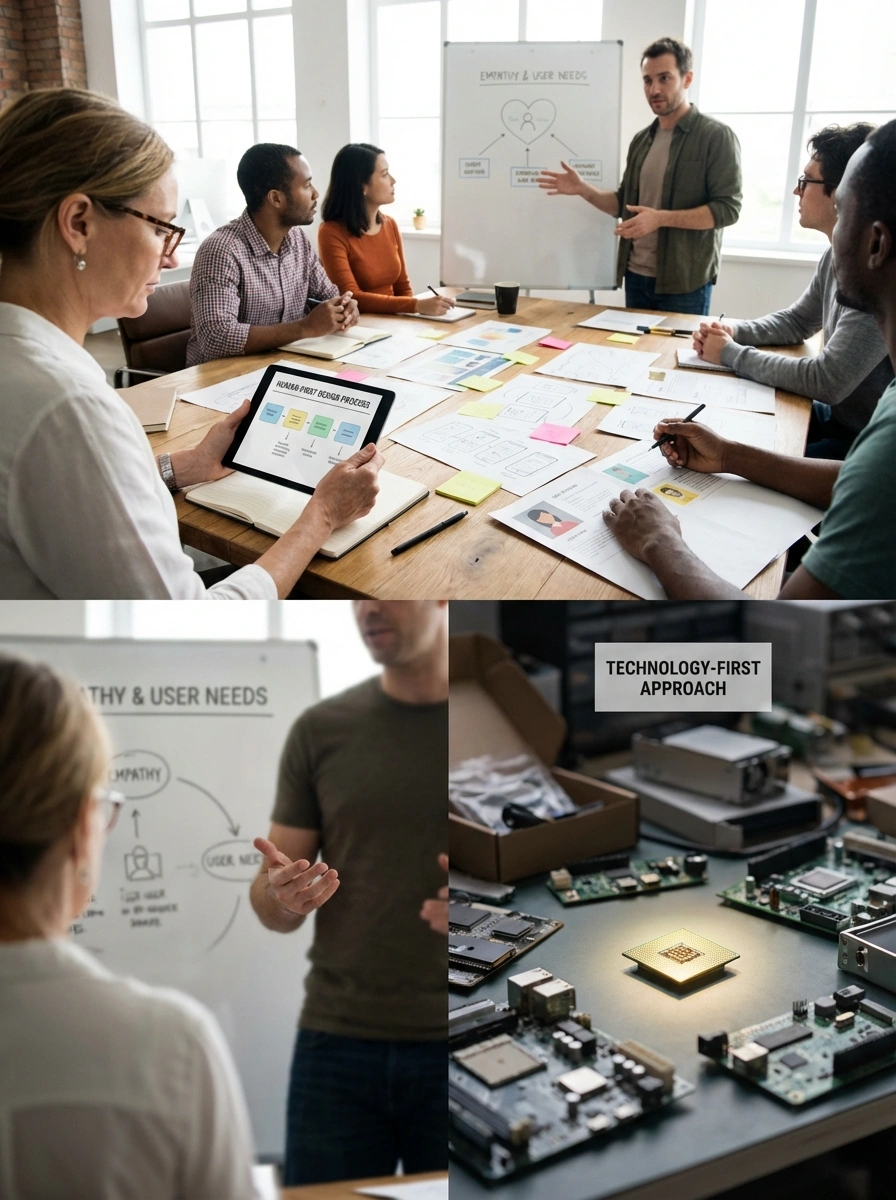
One recurring theme in Kobe’s thinking is the danger of designing around technology rather than people. Many companies, he notes, begin with a breakthrough component—a chip, a display, a new piece of hardware—and only later search for a meaningful use case. This approach, he warns, is a common trap.
Statistics from the startup world support his argument. A significant share of failed startups collapse not because of poor execution, but because they fail to address a real human need. Without a clear understanding of who a product is for and why it matters, even the most advanced technology can fall flat.
For Kobe, asking the right questions is more important than rushing toward answers. Design begins not with solutions, but with empathy.
Apple, Xiaomi, and Two Paths to Scale
Having worked extensively with both Apple and Xiaomi, Kobe sees clear parallels alongside sharp contrasts. When Eight Inc. began collaborating with Apple in the late 1990s, there was no single, unified “Apple style.” The retail experience evolved alongside the company itself, maturing as Apple refined its identity and values.
Xiaomi, by contrast, operates with a vastly broader product ecosystem. While Apple focuses on a relatively narrow range of tightly integrated devices, Xiaomi spans smartphones, smart home products, appliances, and lifestyle goods. This diversity demands a different retail philosophy.
Rather than treating stores as purely transactional spaces, Kobe describes Xiaomi’s retail environments as “portals”—places where physical and digital experiences converge. In this model, the traditional divide between e-commerce and brick-and-mortar retail dissolves. Customers can engage with the brand anywhere, anytime, choosing the interaction that suits them best.
Prototyping the Physical World
One lesser-known chapter of Apple Store history involves full-scale prototypes. Early in the development process, Eight Inc. built life-size mockups to test layouts, flows, and interactions. According to Kobe, the same approach was applied to Xiaomi.
Drawings and digital models can only go so far. Physical space, he argues, must be experienced to be understood. Prototypes—often made from simple materials like cardboard or paper—allow designers, executives, and customers alike to participate in shaping the final result. This hands-on methodology remains central to Eight Inc.’s process across most of its projects.

Leadership, Community, and Design at Scale
Kobe’s collaboration with Xiaomi also brought him into close contact with its leadership, including Lei Jun and Lin Bin. What stood out most to him was Xiaomi’s emphasis on community. Rather than positioning design as a luxury reserved for a small elite, Xiaomi aims to deliver high-quality design to the widest possible audience.
This philosophy effectively inverts the traditional Western luxury pyramid. Instead of exclusivity driving value, accessibility becomes the goal. In Kobe’s view, this approach demonstrates that excellent design does not inherently require higher prices—it requires thoughtful intent.
Design Rooted in Local Culture
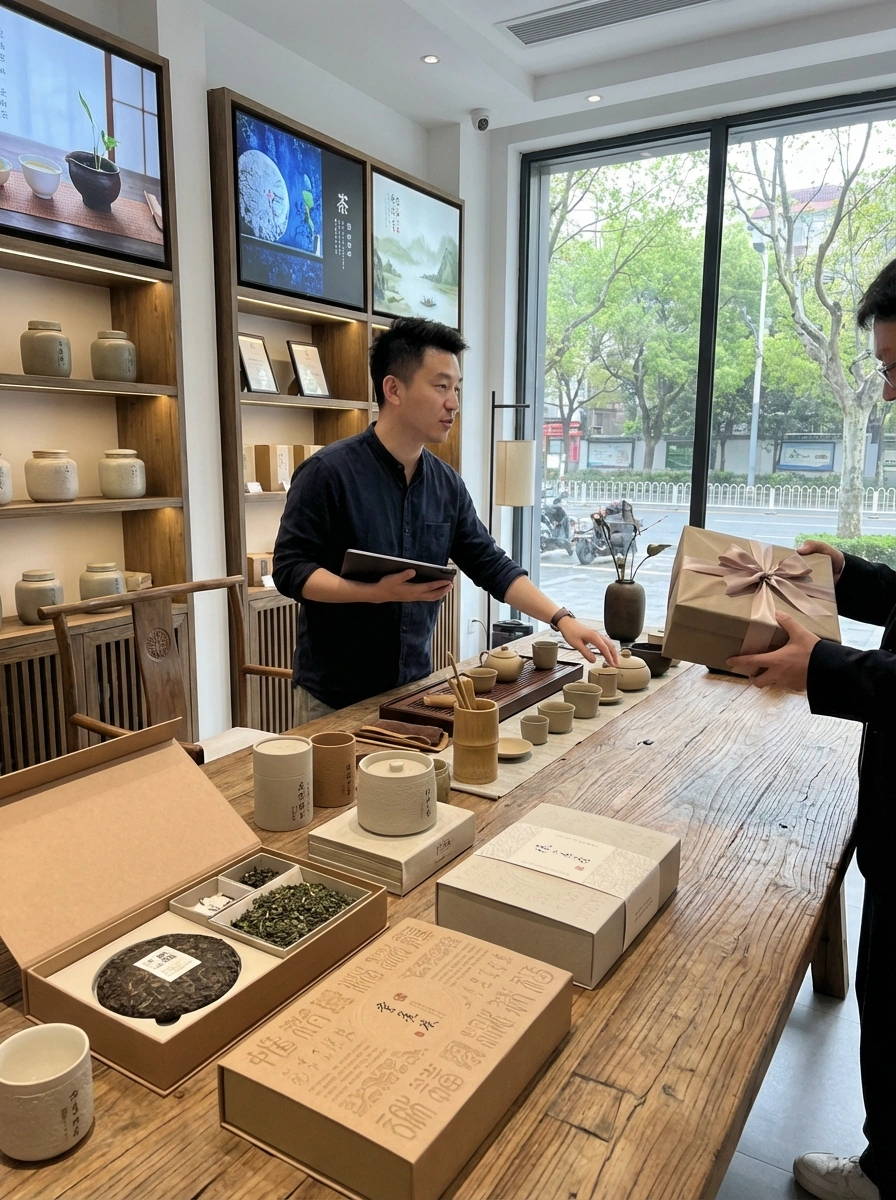
Beyond technology, Kobe has also explored how design can modernise tradition without erasing it. One example is his work with Xiao Guan Tea, a Chinese tea company seeking to reinterpret centuries-old cultural practices for contemporary consumers.
By working with local designers, the project preserved the heritage of tea culture while reimagining packaging, retail, and gifting for modern life. The result was not a Westernised interpretation, but a distinctly Chinese expression—fresh, relevant, and respectful of tradition.