Published on:
Huawei’s Most Unusual HDC Session: Why Accessibility is the New Baseline for Innovation
Amid the typical rhythm of keynotes, product showcases, and developer announcements, Huawei hosted what attendees described as one of the most quietly powerful moments of this year’s Huawei Developer Conference (HDC): an accessibility-focused gathering with no flashy stage, no launch theatrics, and no marketing spectacle — just seats reserved for people whose voices are often overlooked online.
The session brought together users with visual and hearing impairments, wheelchair users, older adults, developers, and partner organisations to discuss how technology can better support everyday life — not as an “extra feature,” but as a baseline expectation.
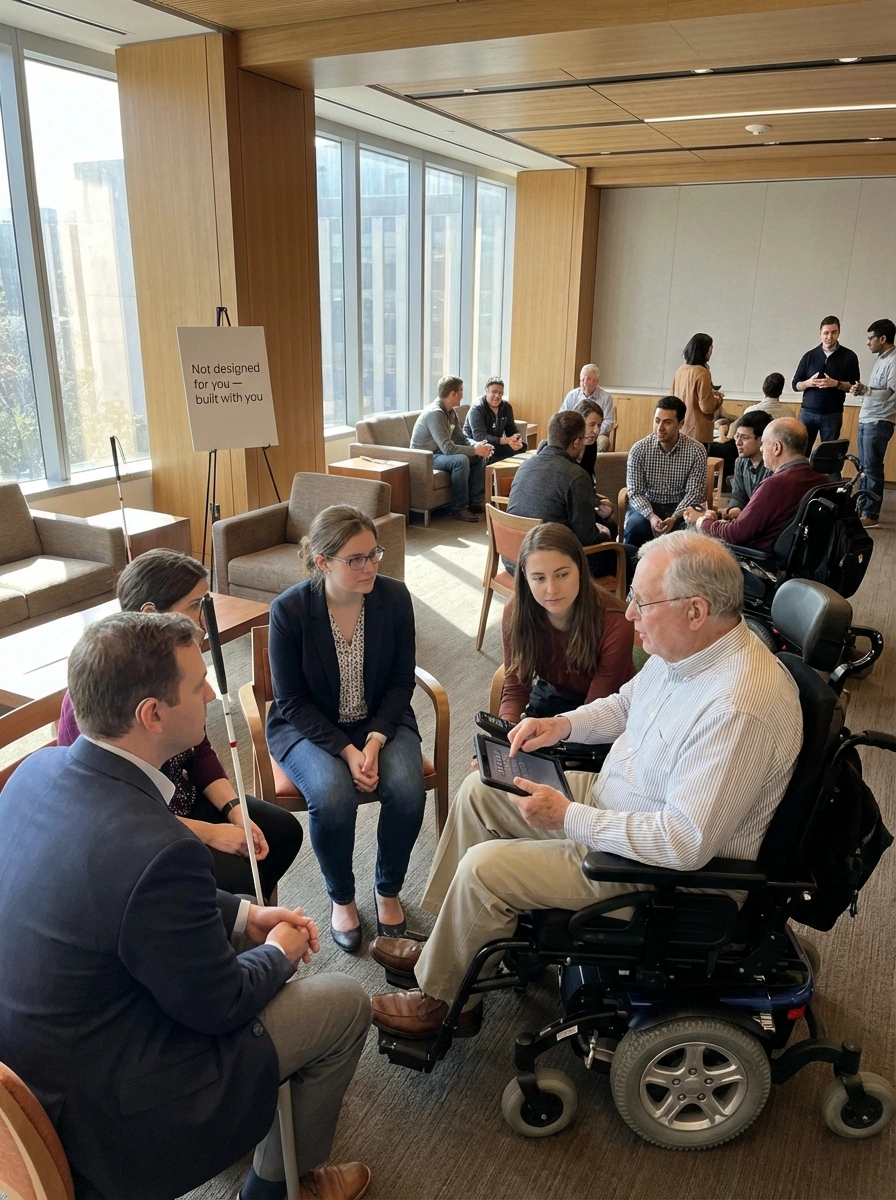
“Not designed for you — built with you”
A recurring theme throughout the event was co-creation. Speakers emphasised that accessibility should not be treated like a late-stage patch added after “normal” features are finished. Instead, Huawei framed the goal as building products with users who rely on accessibility and “age-friendly” (senior-friendly) design from day one.
Organisers noted that these communities are frequently drowned out by the speed of online discourse. The gathering was an attempt to slow the room down long enough for those perspectives to shape the product roadmap directly.
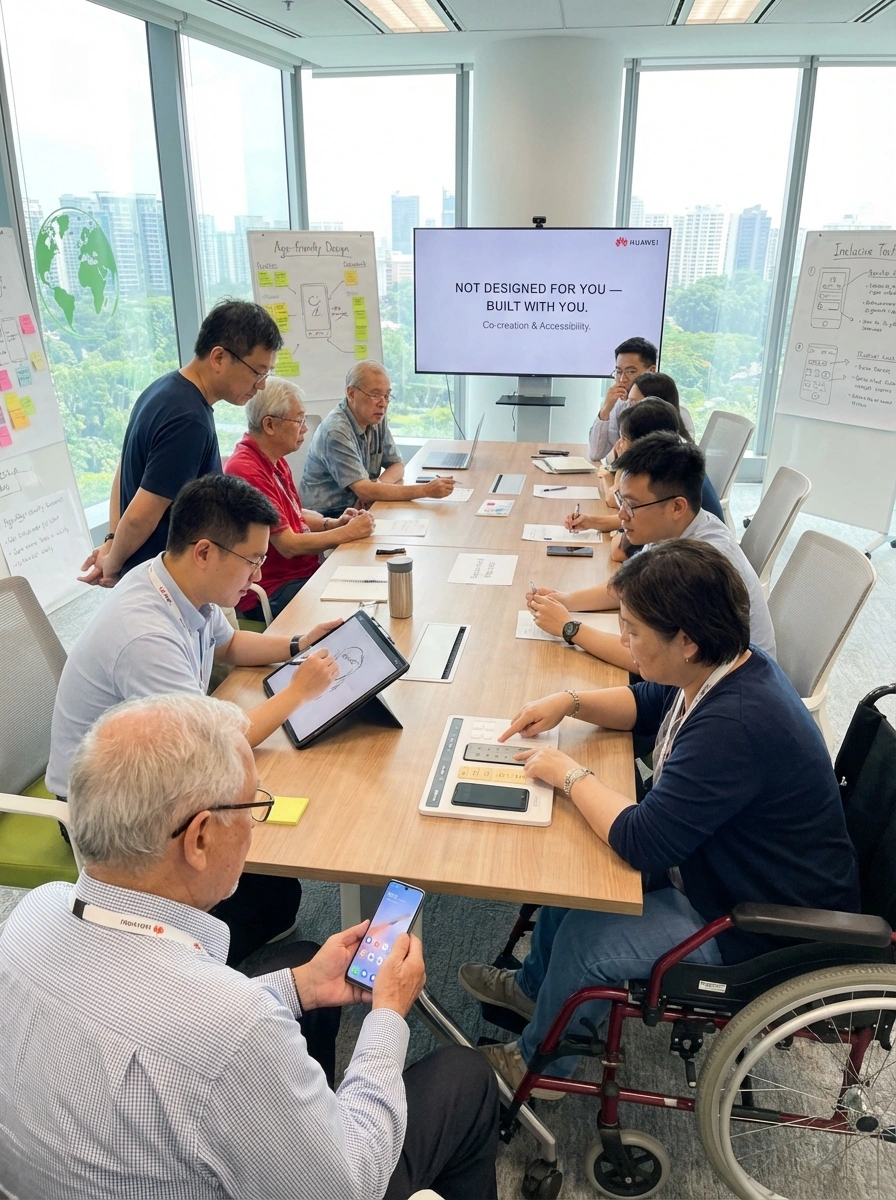
Stories of Capability: Challenging Assumptions
Several attendees shared personal experiences that challenged common assumptions about what “digital disabled users” look like.
One participant, Gao Yanxiang, a former dancer with hearing loss, shared how technology enabled his sustained independence—from top-ranked graduate entrance exam results to competing in over 60 wheelchair marathons. Another attendee, Yin Nan, demonstrated using smart glasses and screen readers at playback speeds that would baffle non-disabled users. These moments made it clear: accessibility users are often advanced power users, not just passive recipients of "special help."
“Xiaoyi, see the world”: AI as a Lifeline
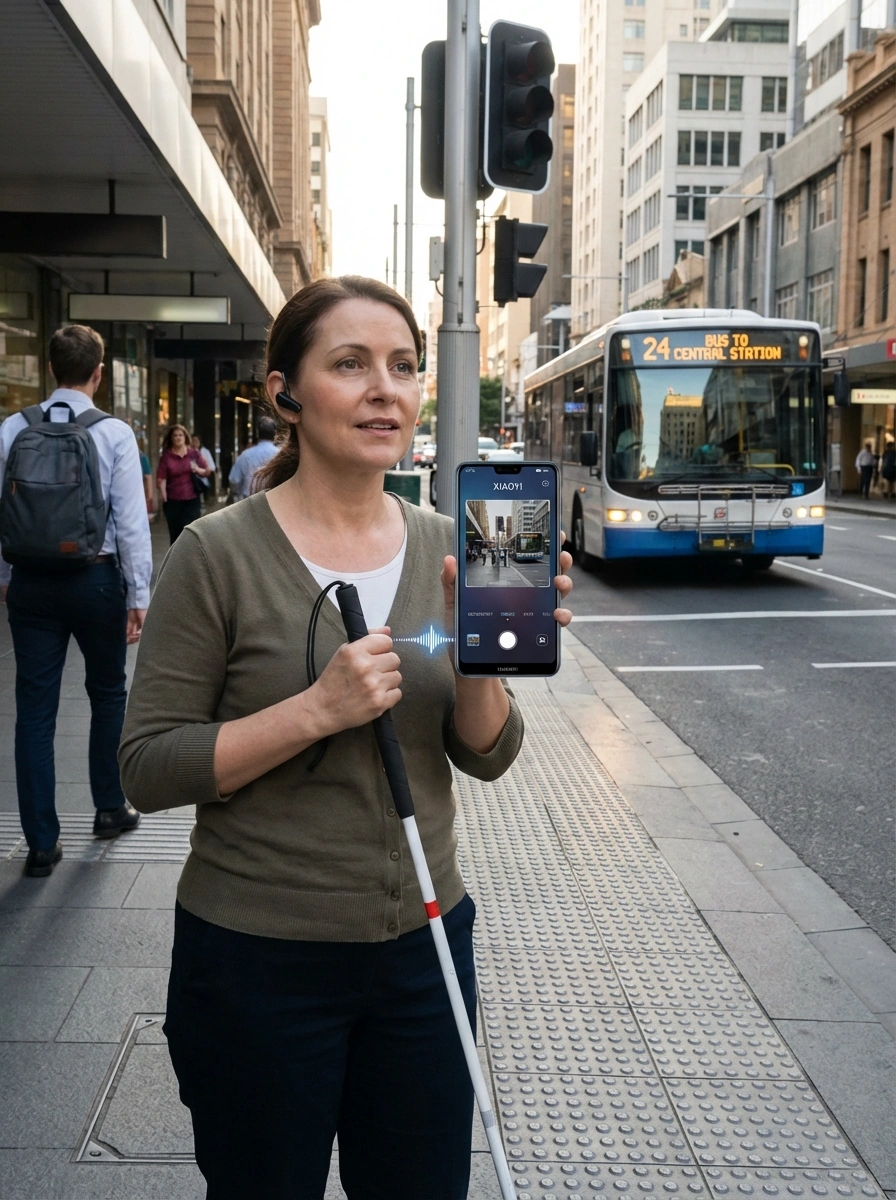
A major focus was Huawei’s accessibility capabilities powered by AI, enabling users to “look, ask, and explore” through voice-driven interaction. What might be a convenience feature for a typical user becomes transformative for someone with low vision, enabling:
- Path Assessment: Detecting whether a tactile paving path is clear or blocked.
- Navigation: Identifying intersections, traffic lights, and safe crossing cues.
- Public Transit: Confirming bus arrivals and door status, even down to specific route numbers.
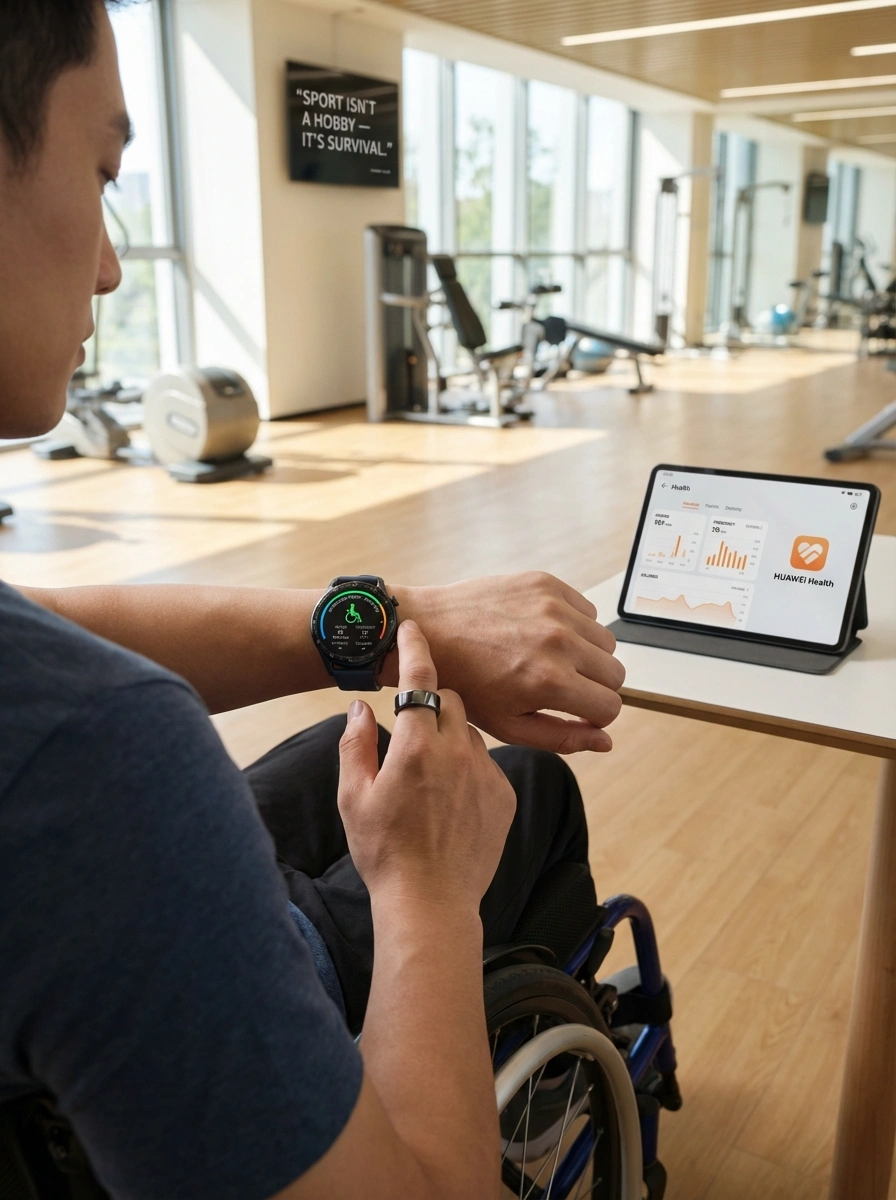
Wheelchair Mode: “Sport isn’t a hobby — it’s survival”
Du Peng, an advisor for the Paralympics, highlighted needs rarely considered by able-bodied users. For wheelchair users, movement is a health requirement to prevent life-threatening complications like pressure sores.
Huawei representatives announced that a “wheelchair mode” for its activity-tracking rings (“vitality rings”) has reached the prototype stage, adapting mainstream health metrics to different movement patterns.
The Ecosystem Challenge: Scaling Accessibility
Huawei stressed that system-level tools aren’t enough if third-party apps don’t implement them. Partners at the gathering showcased:
- Speech-to-text and captioning tools for the hearing impaired.
- Audio-first media platforms for users who prefer listening.
- Sign-language AI for transit, classrooms, and public screens.
The Quiet Truth: Accessibility Benefits Everyone
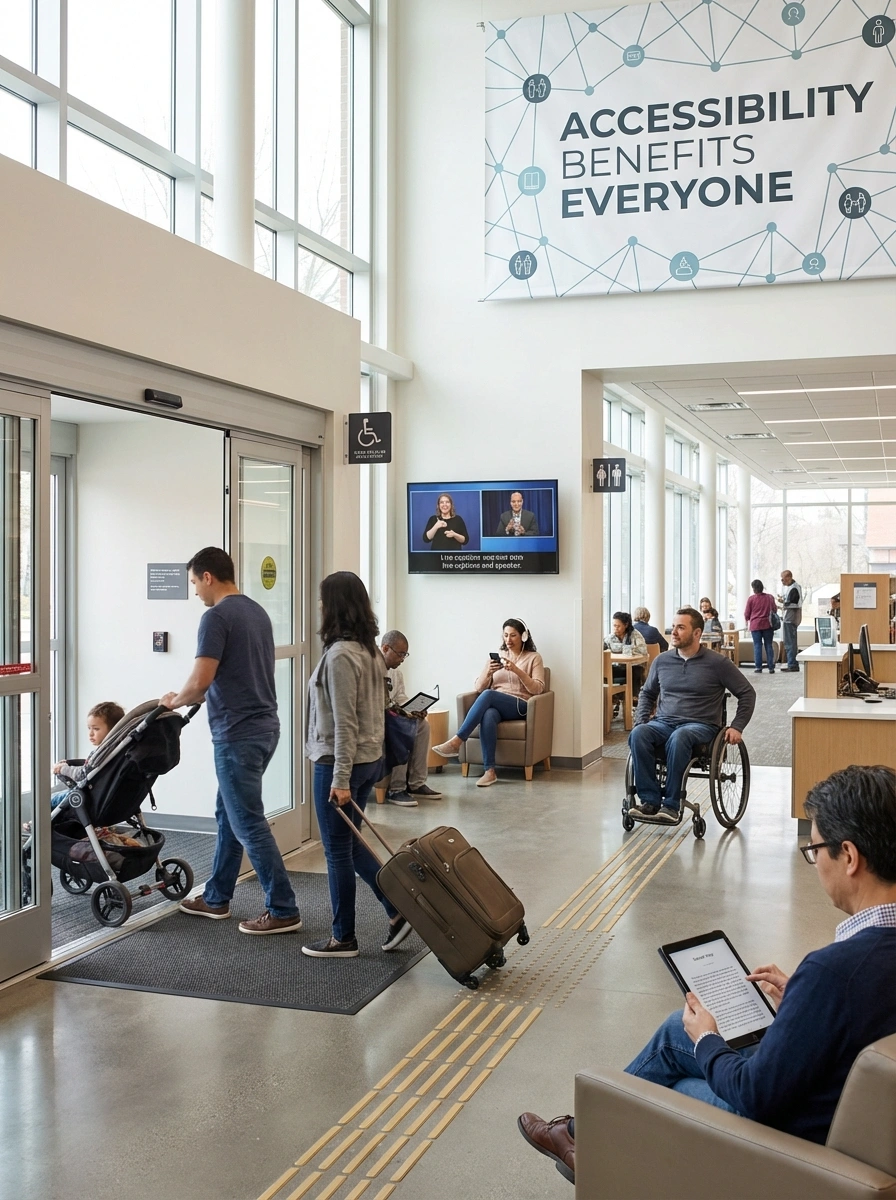
One of the session’s strongest arguments was that accessibility features frequently become mainstream utilities. Live captions, speech-to-text, and barrier-free facilities support parents with strollers, travellers with heavy luggage, and anyone navigating a challenging environment.
As the session closed, Huawei shared a powerful framing: when society talks about accessibility, the subject shouldn’t be “them,” but everyone. The goal is to acknowledge that a modern world should accommodate more than one “default human.”