Published on:
Moscow International Gaming Week Makes Its Debut as Russia’s Largest Game Industry Event
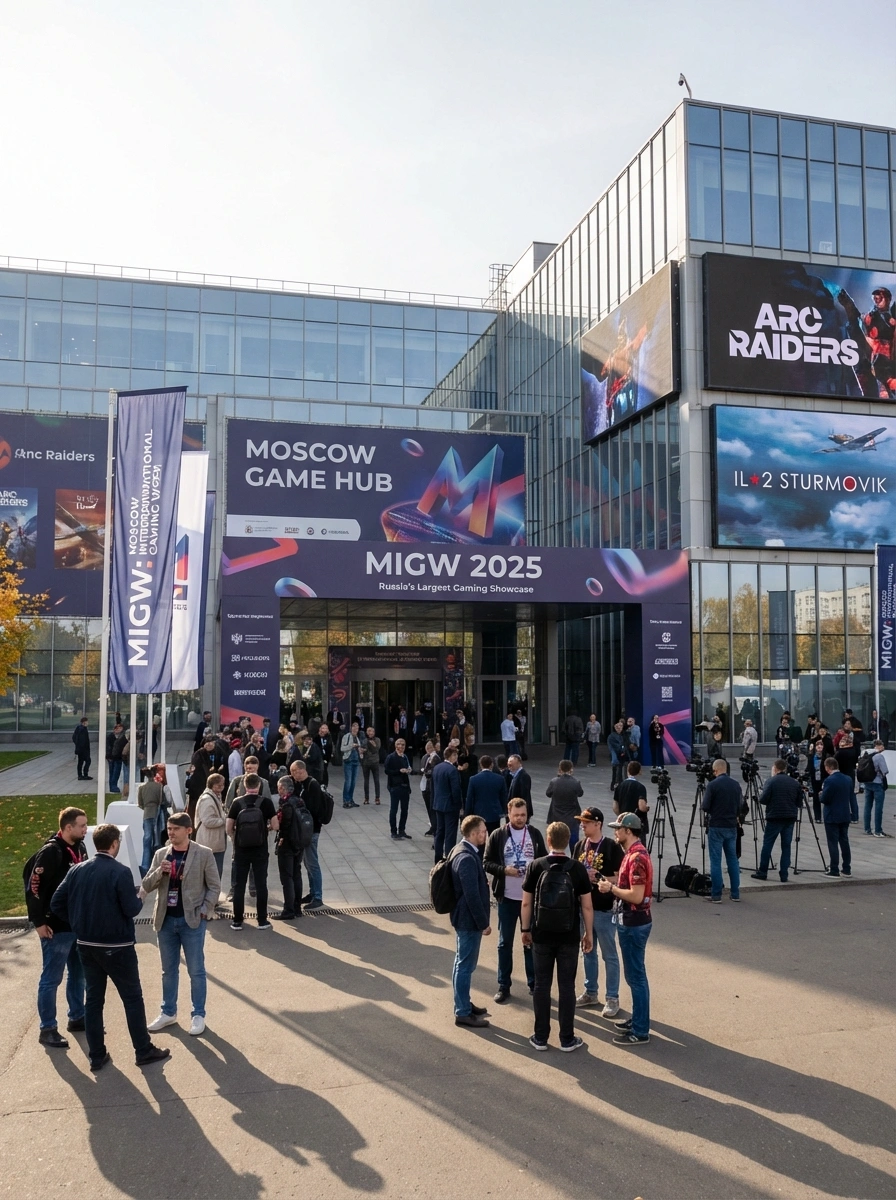
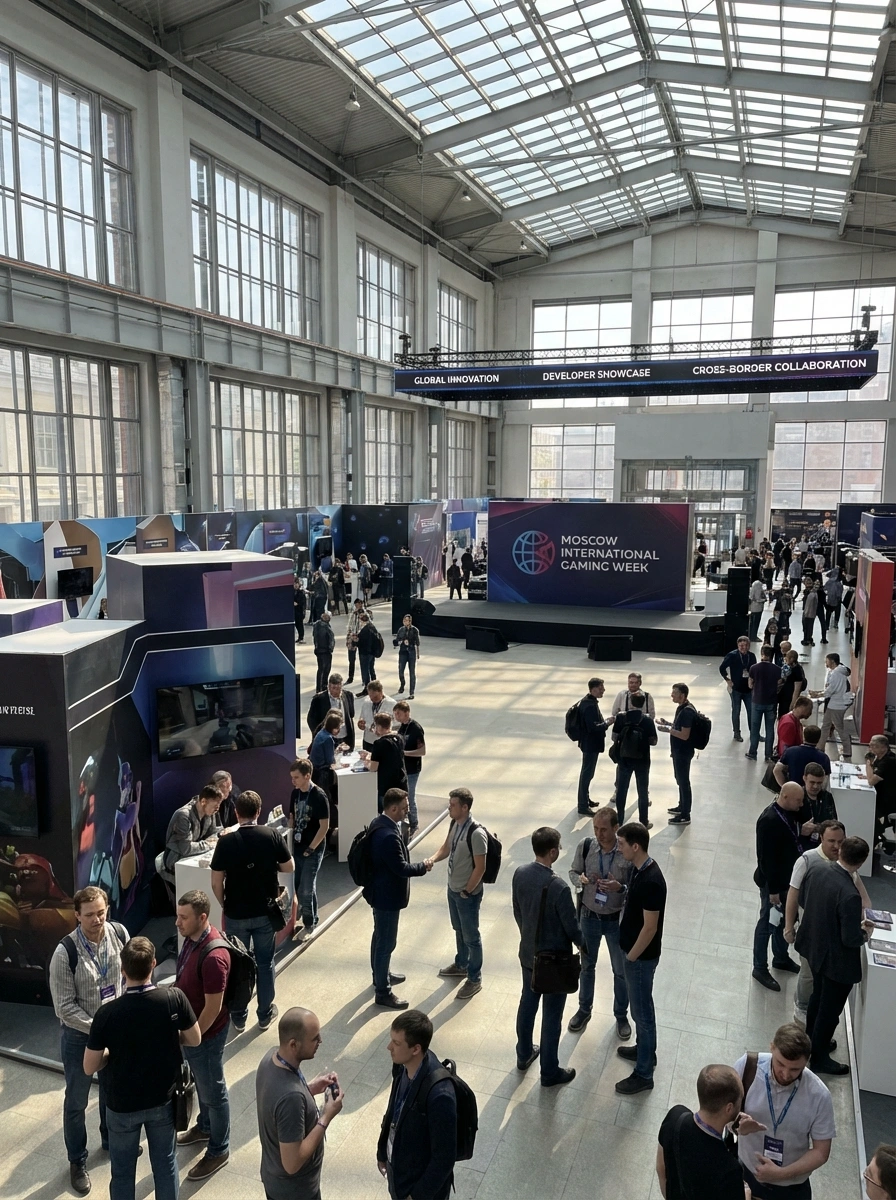
Moscow International Gaming Week officially opened its doors this year, marking the first edition of what is now Russia’s largest and most ambitious gaming industry showcase. Held across the city with hundreds of interconnected venues, the event signals Moscow’s intention to position itself as a global hub for game developers, publishers, and players.
Invited by the Moscow city authorities, international creators and media were given a first-hand look at the scale and diversity of the event, which combines exhibitions, playable demos, competitive tournaments, and developer showcases into a city-level interactive gaming network.
A City-Scale Celebration of Games
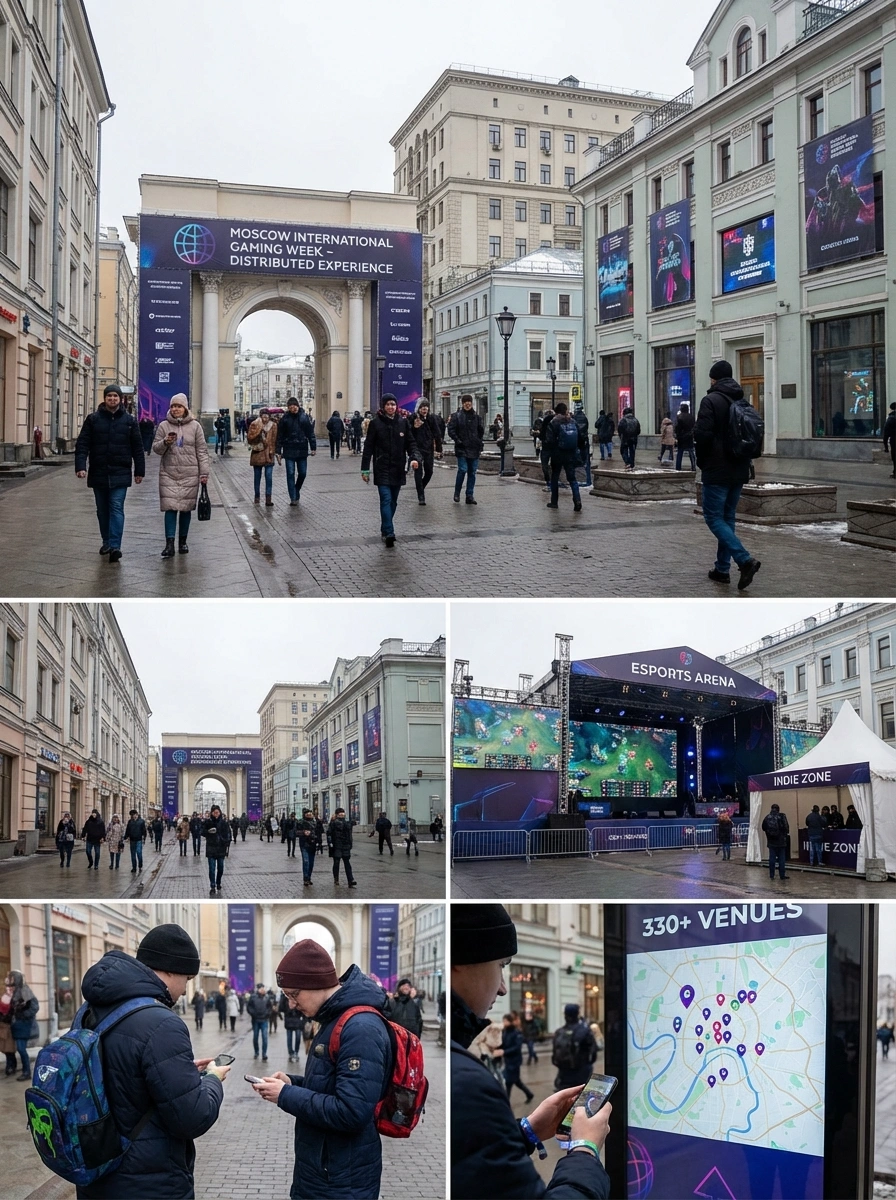
Unlike traditional conventions confined to a single hall, Moscow International Gaming Week spans more than 330 venues, forming a distributed, city-wide experience. From large exhibition centers to themed zones dedicated to esports, indie games, and simulation titles, the event emphasizes accessibility and participation.
Organizers describe the initiative as a statement: Moscow is not only a host city for games, but a place where development, competition, and player culture intersect.
Spotlight on Russian Game Developers
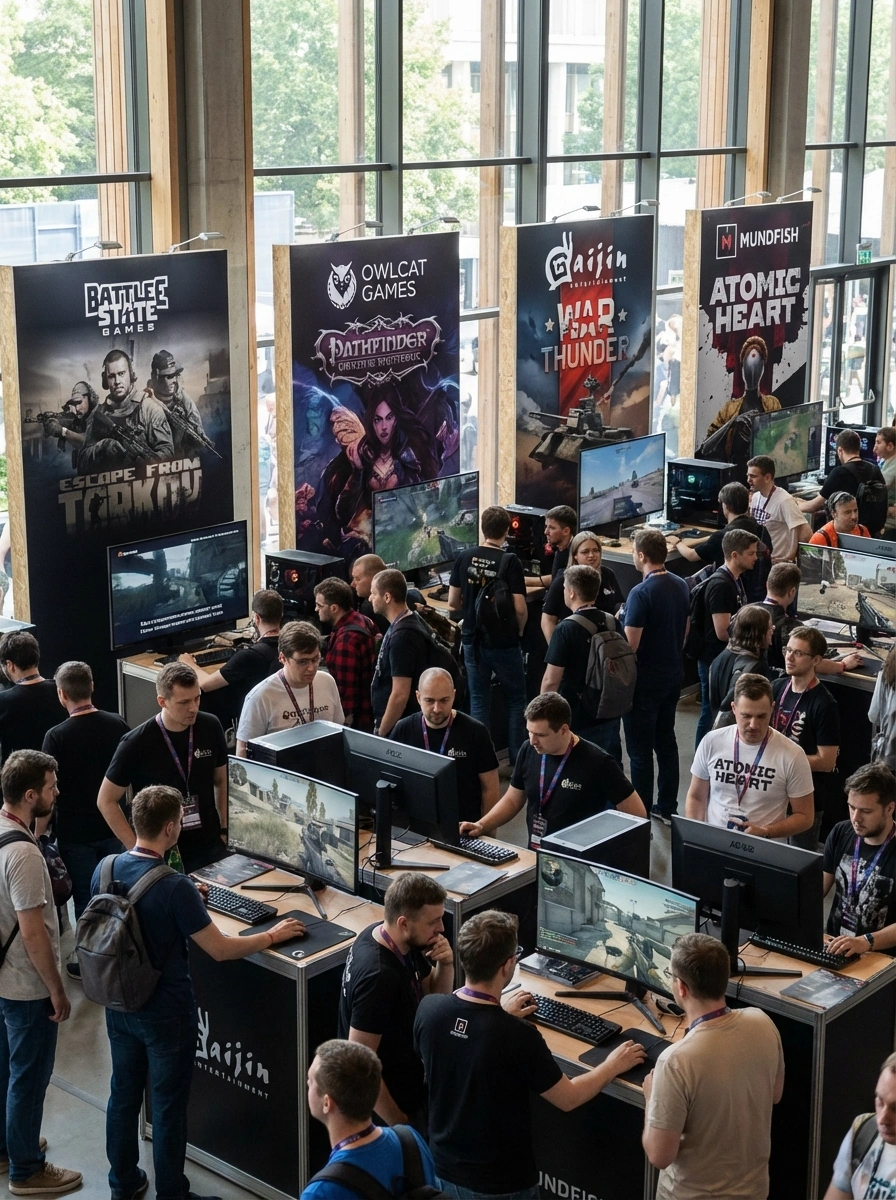
One of the central highlights is the strong presence of local Russian studios and publishers. Dedicated zones feature domestically developed games, allowing visitors to try upcoming projects and interact directly with developers.
Several well-known studios attracted large crowds, including teams behind recent high-profile releases as well as experimental new projects. Shooter titles, PvE-focused experiences, and simulation games were particularly prominent, reflecting current trends in the regional market.
Even in early development builds, many games demonstrated polished gameplay concepts, with developers openly discussing mechanics, feedback, and future plans with players on site.
Indie Games Take Center Stage
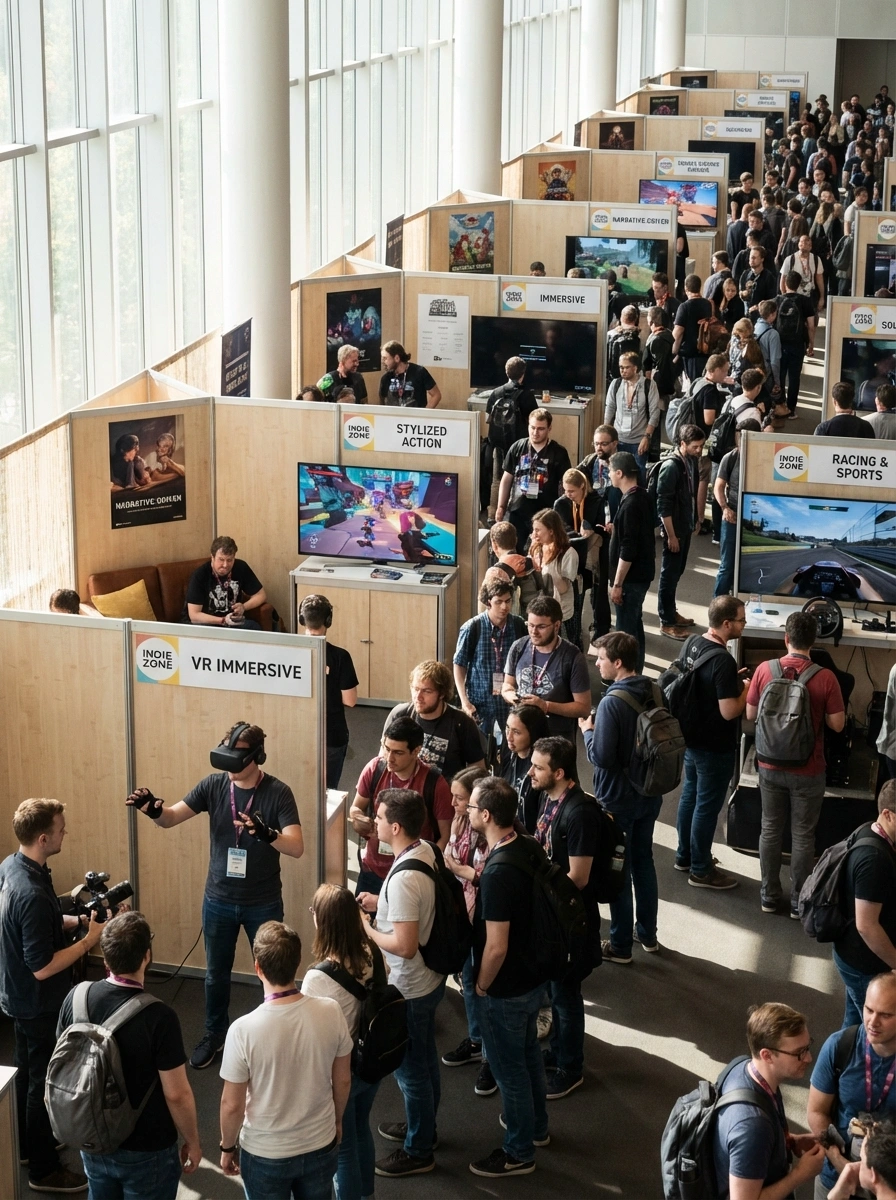
The independent games area emerged as one of the busiest sections of the event. Studios from across Russia showcased a wide range of genres, including:
- VR and immersive experiences
- Stylized action and fighting games
- Narrative-driven indie projects
- Racing and sports-inspired titles
Attendance in the indie zone remained consistently high, highlighting growing interest in smaller studios and experimental game design. Several projects displayed production values and gameplay depth comparable to international indie titles.
Esports, Simulation, and Hands-On Play
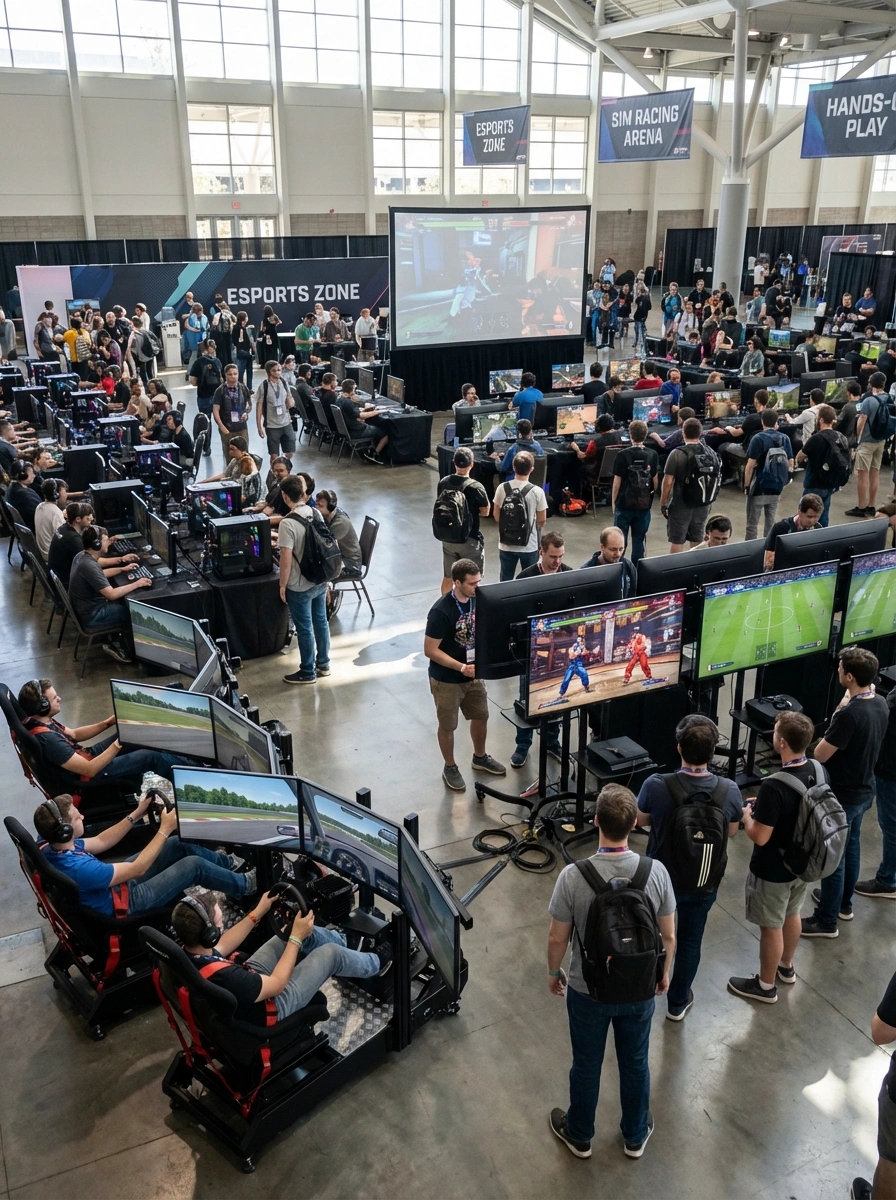
Competitive gaming also played a major role. Dedicated esports and simulation zones featured:
- Racing simulators with full motion setups
- Fighting games and football titles
- Competitive shooter stations
- Multiplayer demo arenas
These areas attracted both casual players and experienced competitors, reinforcing the event’s emphasis on hands-on engagement rather than passive viewing.
A Signal to the Global Games Industry
As the inaugural edition of Moscow International Gaming Week, the event sends a clear message: Russia aims to expand its visibility in the global gaming ecosystem. By combining large-scale organization with strong local developer participation, the event positions itself as a platform for both domestic talent and international collaboration.
Organizers and attendees alike expressed hope that the event will grow into a recurring fixture on the global gaming calendar, attracting more studios, publishers, and players from around the world in future editions.
Looking Ahead
With its mix of industry showcases, indie creativity, esports competition, and city-wide engagement, Moscow International Gaming Week sets a high bar for its first year. If sustained and expanded, it could become a key meeting point for the Eastern European and global games industry—bridging local innovation with international audiences.