Published on:
Smartphone Photography Takes Center Stage at China Wildlife Imaging Year
At a pop-up exhibition of China Wildlife Imaging Year, visitors were met with a surprising question: Do you believe these images were captured on a smartphone? The answer, increasingly, is yes.
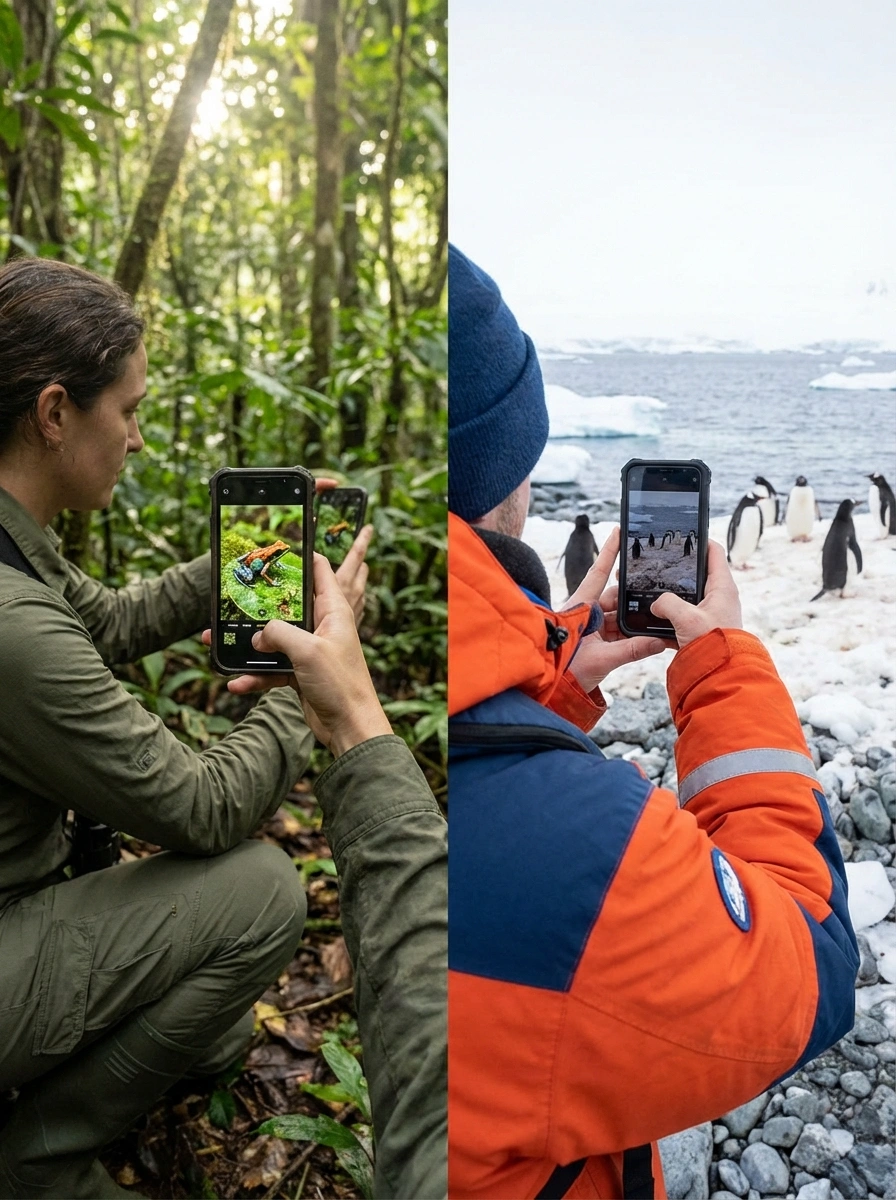
From dense rainforests in Xishuangbanna to the icy waters of Antarctica, mobile phones are emerging as serious tools for documenting wildlife. What was once considered a compromise is now becoming a creative choice—and, in some cases, a necessity.
A Student Photographer and a Hidden Moth
One of the most talked-about works at the 2024 China Wildlife Imaging Year came from an unexpected creator. Sun Zhixuan, a middle-school student from Beijing, won the Smartphone Category - Snapdragon Special Award with his photograph “You Can’t Find Me.”
At first glance, the image appears to show nothing more than an ordinary tree trunk. A closer look reveals a large moth perfectly camouflaged against the bark. Even more striking, two additional moths emerge only after careful observation—so well hidden that Sun himself noticed the third one only later, while reviewing the photo.
Captured casually during a walk in Xishuangbanna, Yunnan, the image highlights one of smartphone photography’s key strengths: being ready at the exact moment when nature reveals something extraordinary.

When Smartphones Become Essential Tools
Veteran wildlife photographer Xi Zhinong, a judge of the competition with more than four decades of field experience, sees smartphones not as replacements for professional cameras, but as indispensable companions.
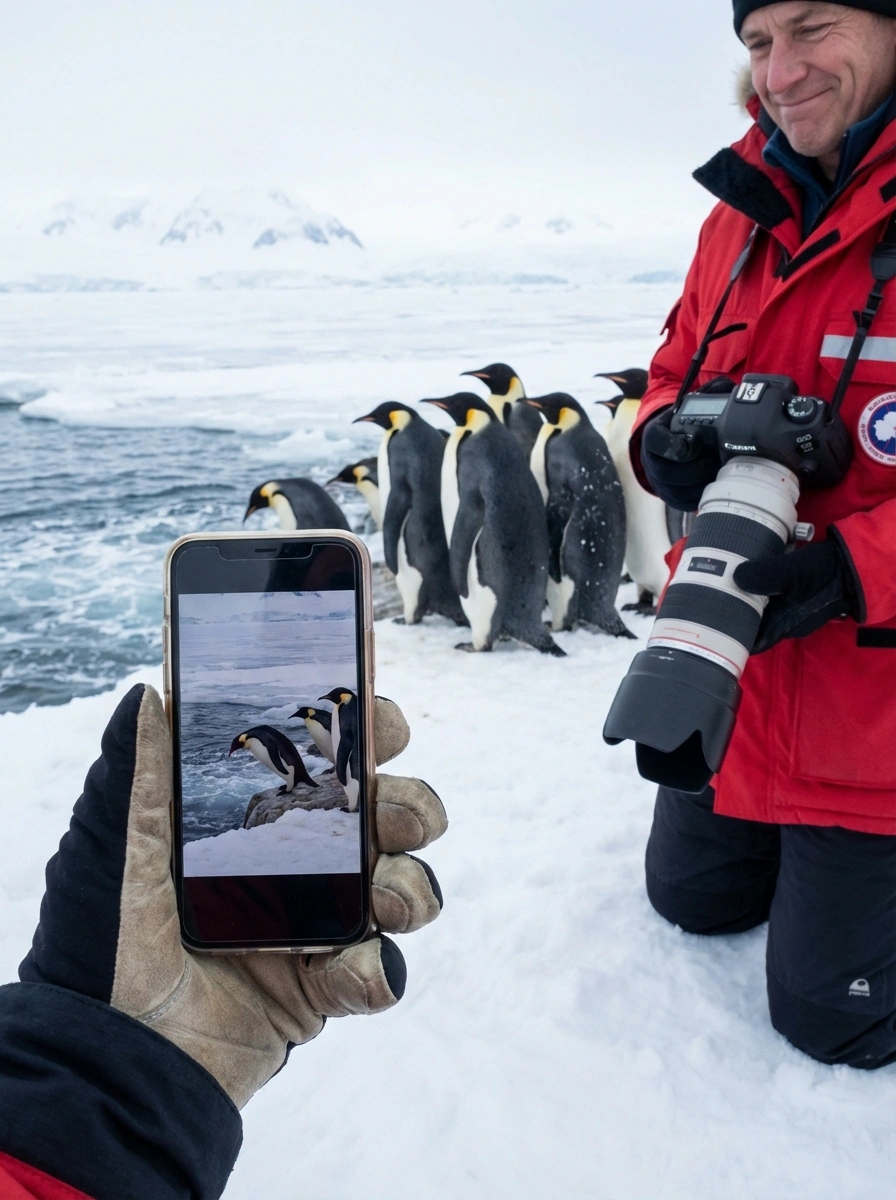
During an expedition in the Weddell Sea, Antarctica, many of his images of emperor penguins—returning from deep waters to feed their chicks—were captured on a smartphone. A long-lens camera simply could not react quickly enough in such fast-moving and unpredictable situations.
“In fast-moving or unpredictable situations, the phone is often the fastest tool available.”
The Rise of the Smartphone Category
Since the smartphone category was introduced to China Wildlife Imaging Year, participation has surged. Submissions for the Snapdragon smartphone awards have grown nearly fivefold—from just over a thousand entries in the early years to several thousand photos and more than a hundred videos in recent editions.
Behind this growth is the rapid evolution of mobile imaging technology, powered by platforms such as Qualcomm Snapdragon.
Underwater, Macro, and the Advantage of Flexibility
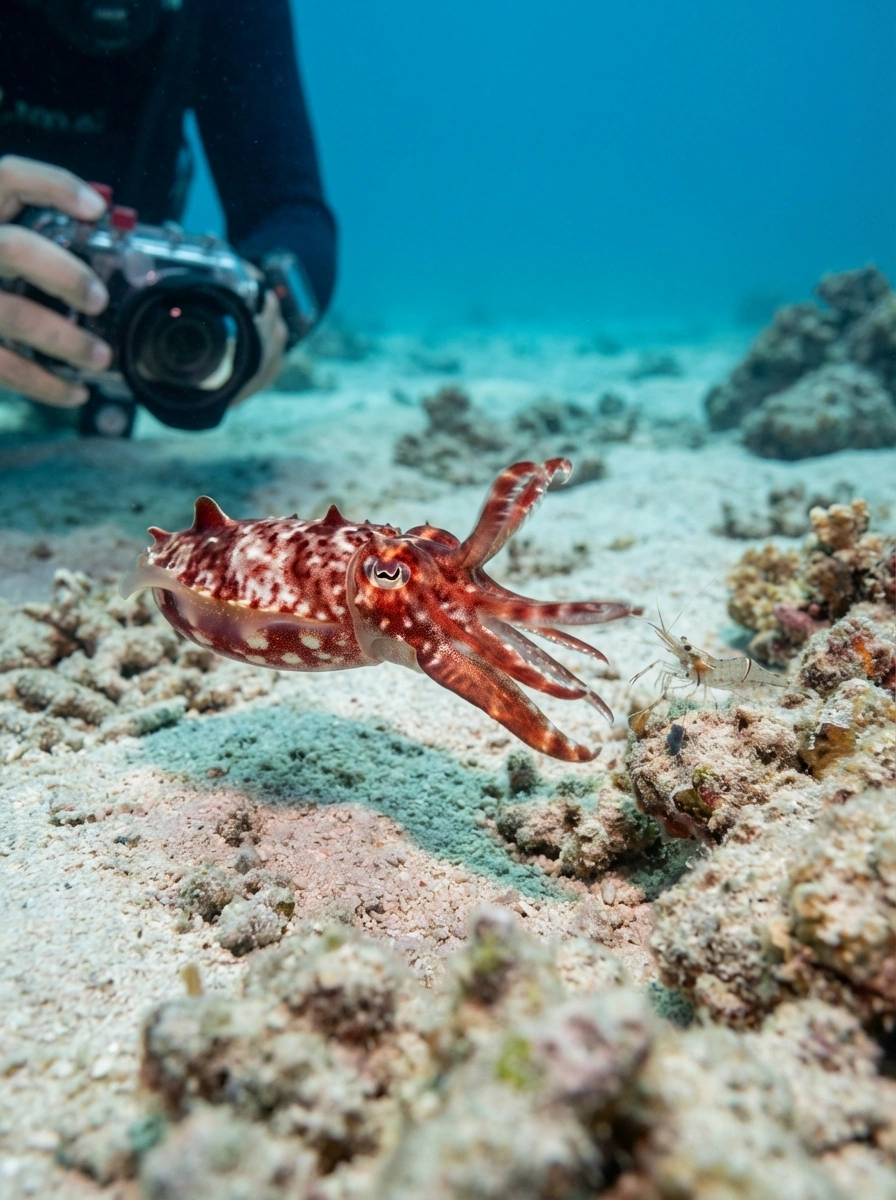
One area where smartphones are showing clear advantages is underwater photography. Thanks to improved accessories and imaging systems, creators can now move seamlessly between wide-angle and macro shots during a single dive—avoiding the limitations of traditional underwater camera rigs where lenses cannot be swapped mid-dive.
This flexibility allows photographers to capture unexpected moments, such as a sudden hunting behavior by a flame squid, without missing the shot.
Technology Meets the Wild
Advances in mobile imaging are not just about convenience. The latest flagship platforms, such as Qualcomm’s Snapdragon 8 Elite, integrate CPU, GPU, NPU, and AI-powered image signal processors (ISPs). These systems significantly improve:
- Dynamic Range in bright mountain light.
- Low-light Performance for twilight encounters.
- Focus Tracking for moving animals.
- Color Accuracy across varying weather conditions.
By intelligently recognizing subjects and scenes, AI assists photographers in delivering results that are usable immediately, often straight out of the camera.

Seeing Leads to Caring
For many creators, the message goes beyond technology. Action begins with passion, and passion begins with seeing. Recording wildlife allows more people to experience ecosystems they may never visit in person—and that visibility can foster awareness and protection.
Accessible technology is becoming one of the strongest bridges connecting people to the planet’s most distant and fragile forms of life.